Five Ducats for a Single Word
Josefov
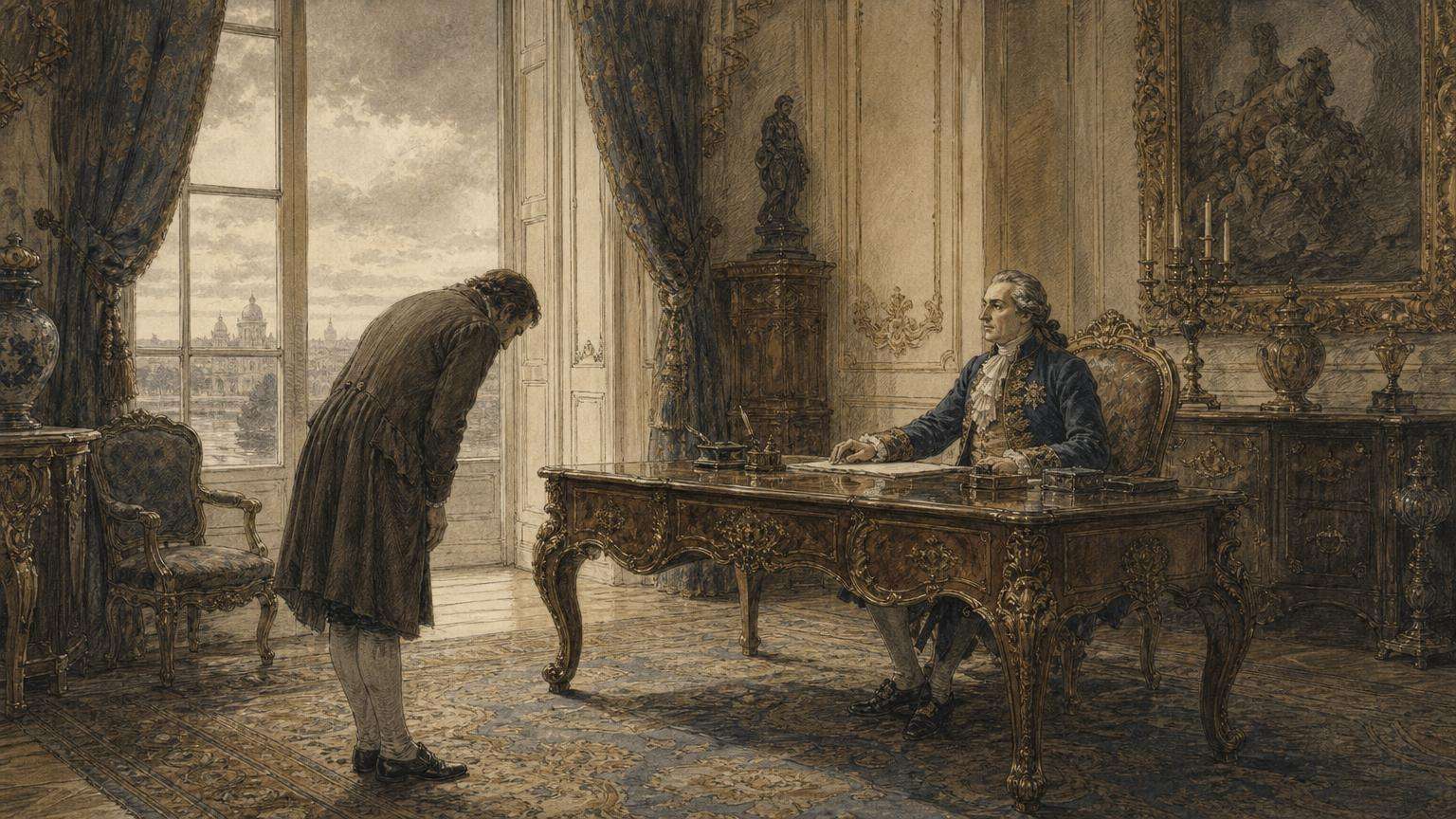
In the reign of the Empress Maria Theresa the Jews fell under suspicion of favouring the King of Prussia and the enemy, and it was considered whether, in the state of war at that time, it was advisable to leave them in the hereditary lands. The Jews learned of these designs at the imperial court and wished to thwart them, seeking the intercession of powerful lords. It then happened that a man came to the valet of Count Leopold Krakovský of Kolovrat and asked whether he might speak with the count. The valet went to ask the count; but the count, hearing that such and such a man was at the door, guessed at once what he wanted and told the valet to send him away. So the man went off, but after a time he came again and told the valet that he would give him five ducats if he obtained him an audience with the count, and that he wanted nothing more than to be allowed to say a single word. When the valet told this to the count, the count replied that he wished him joy of the earnings and that he might let the man into the room — but he must speak no more than that single word. In a little while the door opened, the man entered, made a silent and most respectful bow, such as was due to a councillor of the imperial court and a minister, and said: 'Schweigen.' Then he bowed again as respectfully as before and went out — and the valet got his five ducats. Some time later there was a council of state, presided over by the empress herself, at which it was debated whether the Jews should be expelled. Some spoke one way, some another; Count Kaunitz interceded strongly for the Jews, and Count Kolovrat kept silent throughout. The empress noticed it, and because she did not well understand why he was silent, she asked him why he was so lost in thought. And the count answered: 'I am reflecting that, since my valet received five ducats for silence, how much Count Kaunitz's valet may have received for speaking.'